
By MS Beauty Salon Luton | Expert Hair & Beauty Advice for UK Women

If you’ve ever finished dyeing your hair at home and looked in the mirror to find colour streaked across your forehead — you’ll know the sinking feeling. It happens to almost everyone. Hair dye of your skin is one of those annoyances that feels worse than it is, but the good news is it’s almost always fixable.
Below are 10 methods that genuinely work — ranked from gentlest to strongest, so you can pick the right one based on your skin type and how long the dye has been sitting. Whether you’re dealing with a fresh smudge or a stain from yesterday, you’ll find something here that’ll sort it.
Quick Reference: 10 Methods at a Glance
Use this table to find your best option, then scroll down for full step-by-step guidance.
| Method | Best For | Time | Skin Type |
| Soap & Warm Water | Fresh stains (first 5–10 min) | Instant | All |
| Olive Oil / Baby Oil | Sensitive skin, face & hairline | 5–8 min | Sensitive |
| Petroleum Jelly (Vaseline) | Hairline & face — also great for prevention | 5–10 min | All |
| Rubbing Alcohol (70%) | Dried stains on hands | 2–3 min | Normal/Oily |
| Baking Soda + Washing-Up Liquid | Tough dried stains on hands | 2–5 min | Normal |
| Non-Gel Toothpaste | Mild stains on face or hairline | 5–10 min | Normal |
| Micellar Water / Makeup Remover | Near eyes, sensitive or dry skin | 2–3 min | Sensitive/Dry |
| Nail Varnish Remover (Acetone) | Last resort — hands only | 1–2 min | Normal (avoid if dry) |
| White Vinegar | Natural option, all skin types | 5 min | All |
| Professional Dye Remover Wipes | Fastest, most reliable result | 30 sec | All |
Why Does Hair Dye Stain Skin So Easily?
Permanent and semi-permanent hair dye contains pigment molecules that are built to bond with porous surfaces. Your skin, like your hair, is porous — so the moment colour touches it, it starts soaking in. Darker shades (black, deep brown, navy, red) are the worst offenders because they carry more pigment. The longer it sits, the harder it is to shift.
Catching a stain in the first five to ten minutes makes everything easier. After that, you’ll need something a bit stronger than soap.
| 💡 Keep a damp cotton wool pad nearby while you dye. Wiping off any stray colour straight away — before it dries — saves you a lot of scrubbing later on. |
Fresh Stain vs Dried Stain: What You’re Actually Dealing With
This makes a real difference to which method you reach for:
- Fresh stain (under 10 minutes): Most of the methods below will handle this quickly. Soap and warm water is often all it takes.
- Setting stain (10–30 minutes): Act fast — oil-based methods and rubbing alcohol are your best options here.
- Dried stain (30+ minutes or overnight): You’ll need something stronger. Rubbing alcohol, baking soda paste, or acetone (on hands only) — and expect a few rounds.
- Old stain (24+ hours): At this point, your skin’s natural shedding will clear it within a couple of days. The methods below speed that up considerably.
10 Methods to Get Hair Dye Off Skin — Step by Step
Method 1: Soap and Warm Water
Best for: Fresh stains caught within 5–10 minutes
Start here — it’s always worth trying first. If you catch the stain while it’s still wet, this can be all you need.
- Wet the stained area with warm (not hot) water
- Work in a generous amount of hand soap or facial cleanser
- Rub in small circular motions for 30–60 seconds — the circular motion matters, it helps lift pigment out of pores rather than just washing over them
- Rinse and check. Repeat two or three times if needed.
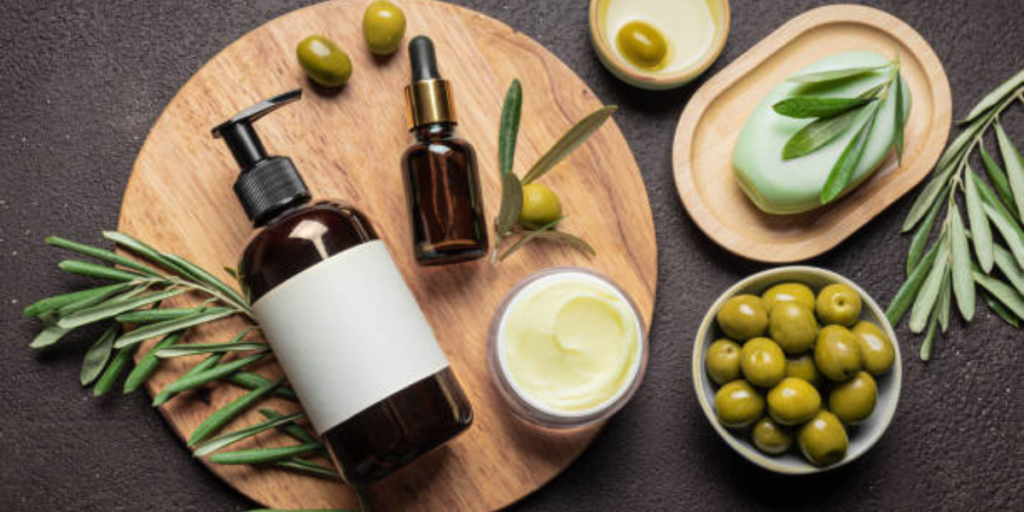
Method 2: Olive Oil or Baby Oil
Best for: Sensitive skin, face, hairline, around ears
Oil dissolves dye molecules without stripping the skin’s natural moisture — which is why it’s the go-to for your face and hairline, where skin is thinner and more reactive.
- Pour a small amount of olive oil, baby oil or coconut oil onto a cotton wool pad
- Massage gently into the stain using small circles
- Leave it for five to eight minutes to do its work
- Wipe away with a warm damp cloth, then wash off any oil residue with your usual cleanser
| 💡 If you leave olive oil on overnight (cover with a plaster or cling film), you’ll often wake up to find the stain has mostly gone. Rinse with warm water in the morning. |
Method 3: Petroleum Jelly (Vaseline)
Best for: Hairline, forehead, ears — and stopping stains from happening in the first place
Vaseline creates a barrier between your skin and the dye, which is why professional colourists use it before they start. It also works to lift stains once they’ve formed.
- Apply a thick layer of petroleum jelly over the stained area
- Leave for five to ten minutes
- Rub in circular motions with a cotton wool pad, then wipe clean
- Wash off any residue with soap and warm water
| ⚠️ Prevention tip: Apply Vaseline all around your hairline, ears and neck before you start dyeing. It takes about 30 seconds and means any dye that lands on skin simply wipes away. |
Method 4: Rubbing Alcohol (70% Isopropyl)
Best for: Dried stains on hands and body — use carefully on the face
Rubbing alcohol breaks down the dye molecules directly. It’s one of the more effective options for stubborn stains, but it does dry out your skin, so don’t forget to moisturise afterwards.
- Dampen a cotton wool pad with rubbing alcohol
- Press it gently against the stain and hold for 10–15 seconds
- Dab rather than scrub — hard rubbing spreads the stain and irritates skin
- Rinse with water and apply hand cream or moisturiser straight away
| ⚠️ Don’t use rubbing alcohol near your eyes or on broken or very sensitive skin. It stings and can cause dryness. |
Method 5: Baking Soda and Washing-Up Liquid Paste
Best for: Stubborn dried stains on hands
Two ingredients you almost certainly have in your kitchen. The baking soda acts as a gentle abrasive and the washing-up liquid cuts through the dye.
- Mix one tablespoon of baking soda with a few drops of washing-up liquid until it forms a paste
- Apply to the stain and scrub gently with a soft nail brush or your fingertips
- Leave for two to three minutes
- Rinse thoroughly with warm water — repeat if needed, then moisturise
| 💡 This works particularly well for the creases in your fingers and skin around your cuticles, where other methods don’t reach as easily. |
Method 6: Non-Gel Toothpaste
Best for: Mild stains on face or hairline when you haven’t got much else to hand
Plain white toothpaste contains mild abrasives like hydrated silica that can gently lift dye from skin. It’s not the most powerful option, but it’s handy in a pinch.
- Apply a small amount of white toothpaste to a cotton bud or your fingertip
- Massage gently over the stain for about 30–60 seconds
- Leave for five minutes, then wipe off with a warm, damp flannel
| ⚠️ Use only plain white toothpaste — not gel, not whitening varieties, and nothing with strong mint or added chemicals. These can cause irritation on delicate skin. |
Method 7: Micellar Water or Makeup Remover
Best for: Sensitive or dry skin, stains near the eyes, fresh stains on the face
Micellar water — brands like Garnier are widely available in UK supermarkets and chemists — contains tiny oil particles that lift pigment gently without any scrubbing. It’s safe near your eyes and brows, which makes it genuinely useful where other methods aren’t.
- Saturate a cotton wool pad with micellar water
- Hold it against the stain for 15–20 seconds to let it soak in
- Wipe in one direction — don’t rub back and forth
- Repeat with a fresh pad until the stain fades. No rinsing needed.
| 💡 This is what we’d recommend first for anyone with sensitive skin, rosacea or eczema — it’s the gentlest option for the face by a long way. |
Method 8: Nail Varnish Remover (Acetone) — Last Resort
Best for: Very stubborn dried stains on hands only
Acetone is strong. It will shift most stains quickly, but it’s harsh and should only ever be used on your hands — never on your face, hairline or neck.
- Apply a small amount to a cotton wool pad
- Dab gently on the stain — work quickly, 30–60 seconds is enough
- Wash your hands thoroughly with soap and warm water straight away
- Apply a rich hand cream or cuticle oil immediately to counteract the drying effect
| ⚠️ Acetone should never go near your face, eyes, or any broken or sensitive skin. If you have dry skin on your hands already, try another method first. |
Method 9: White Vinegar
Best for: A natural, eco-friendly option — gentler results but completely skin-safe
White vinegar is mildly acidic, which helps break down the alkaline components in hair dye. It won’t shift a heavy permanent dye stain on its own, but it works well on semi-permanent or lighter colours, and it’s safe on all skin types.
- Soak a cotton wool pad in undiluted white vinegar
- Apply to the stained area and leave for five minutes
- Rub gently in circular motions, then rinse well
For better results on darker dyes, combine with a little baking soda into a paste before applying.
Method 10: Professional Dye Remover Wipes or Cream
Best for: The fastest result, especially for dark or permanent dye
Products made specifically for removing hair dye from skin — like Salon System Colour Remover, Erayba Hair Colour Stain Remover, or Manic Panic wipes — are available from UK beauty suppliers and Amazon. They’re formulated precisely for this, so they’re both fast and gentle.
- Follow the instructions on the product — most work within 30 seconds to two minutes
- Apply to a cotton pad and wipe across the stain
- Rinse if directed, then moisturise
| 💡 At MS Beauty Salon in Luton, we keep professional-grade colour removers on hand for exactly these situations. If a stain isn’t budging, give us a call on 07397 111110 — we’re happy to advise. |
Getting Hair Dye Off Specific Areas
Face and Hairline
This is the most visible area and the most delicate. Stick to Methods 2, 3, 6 or 7 (olive oil, Vaseline, toothpaste or micellar water). Rubbing alcohol and acetone are too harsh for the face. A cotton bud gives you more precision around the hairline than a pad, and stops you spreading the stain further.
Hands and Fingers
Your hands can handle the stronger treatments. Methods 4, 5 and 8 (rubbing alcohol, baking soda paste, acetone) are all fair game here. For the skin around your cuticles and under your nails, a cotton bud dipped in rubbing alcohol or a soft nail brush with the baking soda paste works well. Always follow with a good hand cream.
Neck and Ears
The skin here is thinner than your hands but less reactive than your face. Methods 2, 3 and 4 all work well. Avoid acetone around this area. Be gentle near the ear cartilage — it can be more sensitive than it looks.
Around Eyebrows
Only use Method 7 (micellar water) or Method 2 (oil) near your eyebrows. Never use alcohol or acetone near your eyes. Apply with a cotton bud and always wipe away from the eye, not towards it.
How to Prevent Hair Dye Staining Your Skin
Honestly, prevention is far less hassle than removal. Here’s what professional colourists actually do before they start:
- Apply Vaseline or barrier cream all around your hairline, ears and neck before you pick up the brush. Thirty seconds of prep can save you twenty minutes of scrubbing.
- Keep your gloves on during rinsing too — not just application. Most hand staining happens at the sink.
- Work in sections and don’t overload your brush. Drips and runs are the main culprit.
- Keep damp cotton wool nearby and wipe off any contact with skin straight away — the first two or three minutes are critical.
- Use a tinting bowl and brush rather than squeezing directly from the bottle. You’ll have much more control.
- Tie your hair back before you begin and keep it properly sectioned — loose strands drag colour onto your neck.
- Wear an old towel or a salon cape over your shoulders.
| ⚠️ Don’t scratch or pick at a dried dye stain. It causes small abrasions that make irritation worse and can introduce bacteria. |
Will Hair Dye on Skin Fade by Itself?
Yes — within one to three days for most stains, even with no treatment at all. Your skin naturally sheds dead cells every 24 to 48 hours, and the dye fades along with them. Dark colours like black or navy can take slightly longer — up to four or five days — but they’ll go.
If you’ve tried a few methods and the stain is still hanging around, leave it alone for a day and let your skin do the work. A gentle exfoliating scrub (once the skin has calmed down) and regular moisturising will speed things up.
When to Seek Medical Advice
Stop any home treatments and speak to a pharmacist or GP if you notice any of the following after hair dye contact with your skin:
- Itching, burning or swelling that doesn’t settle within 30 minutes
- A raised, blistering or spreading rash
- Staining around your eyes that won’t respond to gentle oil-based removal
- A known allergy to PPD (paraphenylenediamine) — a common chemical in permanent hair dyes
A skin reaction can sometimes be a sign of a developing allergy that may worsen with future exposure. If you’ve had a reaction before, always do a patch test 48 hours before dyeing — even with a brand you’ve used previously.
| 🌿 Tired of DIY Hair Disasters? Let Our Team Handle It At MS Beauty Salon Luton, our colourists have handled hundreds of at-home dye jobs gone wrong — and they know exactly how to correct them without damaging your skin or hair. We’re a ladies-only salon with a 4.8-star rating from 348 Google reviews. 📍 3 Archway Rd, Marsh Rd, Luton LU3 2RW 📞 07397 111110 | 🌐 msbeautysalon.co.uk Walk-ins welcome — or call to book your slot. |
Can You Dye Your Hair While Pregnant?
Many women wonder whether it’s safe to dye their hair during pregnancy. The good news is that most experts believe using hair dye while pregnant is generally considered low risk, especially after the first trimester. However, it’s always a good idea to speak with your midwife or healthcare provider before colouring your hair.
If you’re planning to dye your hair, choose a well-ventilated area, wear gloves, and carefully follow the instructions on the product. Some women also prefer ammonia-free or semi-permanent hair dyes during pregnancy because they have a milder smell and contain fewer harsh chemicals.
If you’re still unsure, you can wait until after the first trimester or consider alternatives such as highlights, balayage, or temporary hair colour, which have less contact with the scalp.
Before colouring your hair, it’s worth reading our guide on Should You Wash Your Hair Before Dyeing It? to prepare your hair properly. If you’re worried about chemical reactions, our article on Hair Dye Side Effects explains common concerns and how to reduce the risk of irritation.
Choosing the right products and following simple precautions can help you colour your hair more confidently throughout pregnancy.
Frequently Asked Questions
How do you get hair dye off skin fast?
The quickest option is a professional dye remover wipe (Method 10) — most work in under a minute. At home, rubbing alcohol on a cotton pad is the next fastest for dried stains. For fresh stains, soap and warm water wiped on straight away is usually all it takes.
What removes dried hair dye from skin?
Dried stains need a bit more work. Rubbing alcohol, a baking soda and washing-up liquid paste, or acetone nail varnish remover (on hands only) are your best bets. Apply, leave for a few minutes, rub gently, rinse — and expect to repeat two or three times for dark colours.
Does hair dye stain skin permanently?
No. Even without treatment, stains fade within one to three days as your skin naturally sheds dead cells. The methods here just speed that process up. You won’t be stuck with it.
Can I use hair dye remover products directly on skin?
Yes — but only products specifically labelled as skin stain removers. Don’t confuse them with colour removers designed to strip dye from hair. Those are formulated very differently and are not safe for skin contact.
Is nail polish remover safe to use on skin for dye removal?
On hands only, in small amounts, for a short time — yes. Never use it on your face, near your eyes, or on broken or sensitive skin. Wash hands thoroughly and apply hand cream straight afterwards.
What do salons do to prevent hair dye staining skin?
Before applying colour, professional colourists put barrier cream or petroleum jelly around the hairline, ears and neck. They use precise sectioning and application tools to keep dye where it’s meant to be, and they have professional stain removers to hand for any accidents. If you’d like a colour done properly from start to finish, our team at MS Beauty Salon Luton would be glad to help — call 07397 111110 or visit msbeautysalon.co.uk.
Final Thoughts
Getting hair dye on your skin is one of those things that looks worse in the moment than it actually is. Here’s what to take away:
- Act fast — fresh stains lift in seconds; dried ones take real effort
- Match your method to the area — gentle oils and micellar water for the face; stronger options like alcohol or acetone for hands only
- Don’t scrub hard — gentle circular motions do more than aggressive rubbing, and won’t irritate the skin
- Vaseline before you dye saves a lot of trouble afterwards
- If it doesn’t budge today, it’ll fade on its own within a day or two
Still struggling? Book with our team at MS Beauty Salon Luton — call 07397 111110 or visit us at 3 Archway Rd, Luton LU3 2RW.
© MS Beauty Salon Luton | msbeautysalon.co.uk | 07397 111110 | 3 Archway Rd, Marsh Rd, Luton LU3 2RW