
Which Vitamin Deficiency Causes Hair Loss?
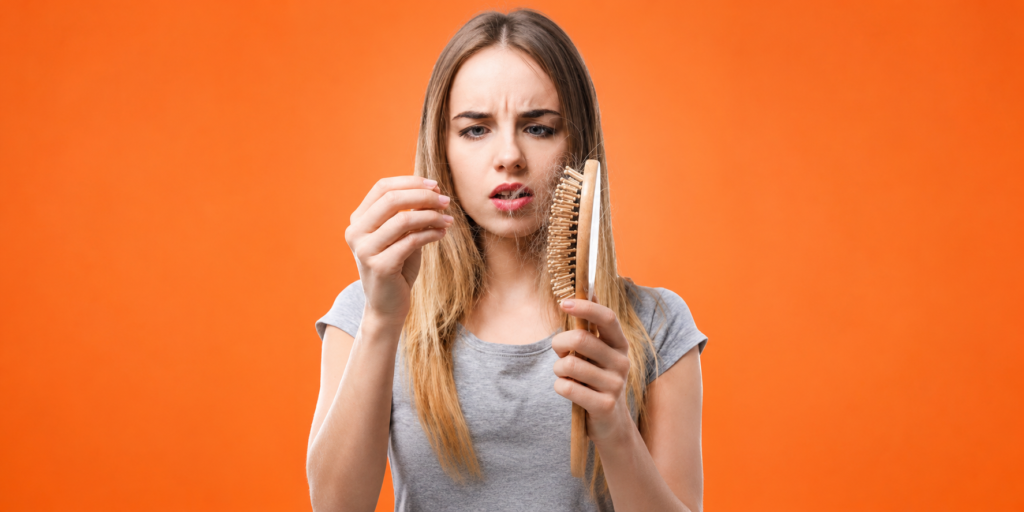
Which vitamin deficiency causes hair loss is usually the question people ask after noticing more hair than normal in the brush or the shower drain. The honest answer is that no single vitamin is behind every case. Low iron, low vitamin D, low vitamin B12 and low zinc are the ones most often linked to shedding, and in some cases too much of a vitamin can cause the same problem. This article explains how each one shows up, how to find out whether it’s your issue, and what to do with your hair while it recovers.
First, Is It Shedding or Something Else?
Hair loss from a nutrient shortage usually looks like general thinning across the whole scalp rather than bald patches or a receding line. Severe nutritional deficiencies can trigger a type of shedding called telogen effluvium, where more hairs than usual move into the resting phase and fall out. It is generally temporary, and regrowth tends to start once your body is getting what it needs again.
But a deficiency is only one possible cause. Genetics, hormones, stress, medical conditions and some medications can all cause hair loss too, which is why guessing and buying supplements rarely works.
Which Vitamin Deficiency Causes Hair Loss Most Often?
- Iron: Low iron means your blood carries less oxygen to the hair follicles, and it is one of the most common nutritional links to shedding, particularly in women. Tiredness and brittle nails often come along with it. High iron levels can be harmful, so only take iron supplements if a test shows you’re low.
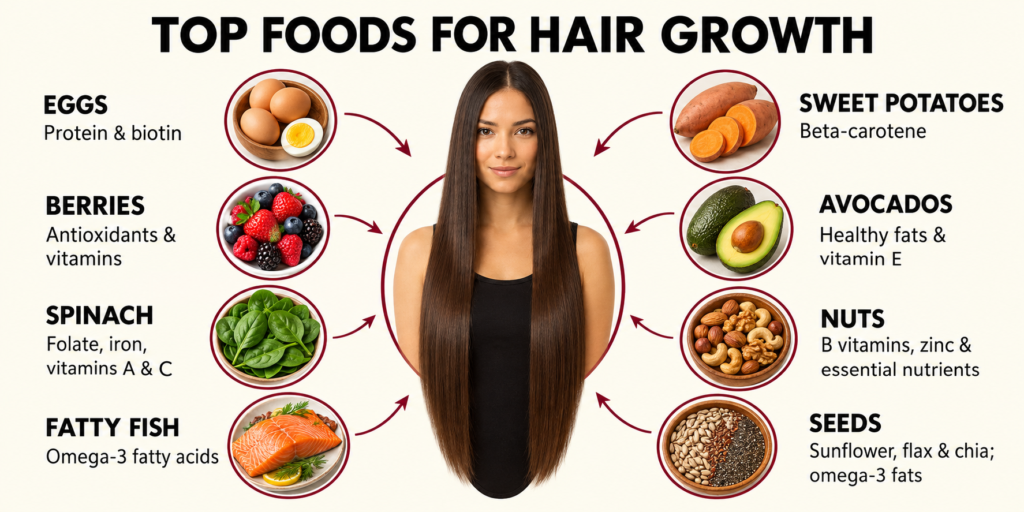
- Vitamin D: Low levels are linked to several types of hair loss, including telogen effluvium and alopecia areata. Your body makes vitamin D from sunlight, and you can also get it from fatty fish, egg yolks and fortified dairy. With limited sunshine through the UK winter, it’s a level worth having checked.
- Vitamin B12: B12 supports red blood cell formation, and a shortage is more common in vegetarians and vegans. The evidence for B12 and hair loss is mixed, and one major review found not enough data to recommend B12 supplements for hair unless you are actually deficient.
- Zinc: A deficiency can contribute to thinning. Good food sources include meat, shellfish, legumes and seeds. Whether supplements help is still debated, so speak to a professional first.
- Biotin (B7): Biotin gets the most attention, but a true deficiency is rare. Most people with hair loss aren’t low in it, so biotin supplements are not the fix for the majority.
- Vitamin C and others: Vitamin C helps your body absorb iron. Riboflavin, folate and vitamin E are also involved in hair health, but the evidence on supplementing them is limited or conflicting.
Can Too Much of a Vitamin Cause Hair Loss?
Yes. Excess vitamin A and excess selenium have both been linked to hair loss. This usually happens through supplements rather than food, so stick to the dose on the label, and don’t stack several supplements that contain the same nutrient.
Signs a Nutrient Shortage May Be Involved
- Shedding that is spread across the whole head
- Hair loss that started after rapid weight loss, a very low-calorie diet or cutting out protein
- Ongoing tiredness, pale skin or brittle nails
- A vegetarian or vegan diet without B12 from fortified foods or supplements
- Swollen or bleeding gums (a possible vitamin C sign)
None of these confirm a deficiency. They simply tell you it’s worth getting checked.
How to Find Out Which Deficiency It Is
Book a GP appointment rather than starting supplements. A GP can arrange blood tests that show your iron, vitamin D and B12 levels, which is the clearest way to see whether a deficiency is part of the picture. Before you go, write down when the shedding started, any recent changes to your diet or medication, and take a few photos of your parting so you can track changes over time.
How Long Does Recovery Take?
Be patient. Supplements and dietary changes can take weeks or months to make a visible difference, and not every case of hair loss turns out to be caused by a deficiency. If your hair is shedding because of a shortage that is later corrected, it typically improves over time, but expect gradual change rather than a quick fix.
Eating for Your Hair
For most people, a balanced diet with enough protein, fruit, vegetables and whole grains is the best foundation. Food-first also avoids the risk of overdoing a single nutrient. If you want more ideas for supporting healthy growth, our guide on how to grow hair faster naturally covers everyday habits worth building.
Looking After Your Hair in the Meantime
While you wait for tests and recovery, the way your hair is cut and handled makes a real difference to how it looks and how much stress it takes. A stylist can’t diagnose or treat a deficiency, but a well-shaped cut can make thinner hair look fuller, and gentle styling helps avoid extra breakage. A women’s haircut and styling appointment in Luton is a good place to talk through length, layers and parting options that suit your current density. If you colour your hair, mention the shedding to your colourist before your next hair colouring appointment, so they can plan around it.
Frequently Asked Questions
What is the most common vitamin deficiency that causes hair loss?
Iron and vitamin D are the ones most often linked to shedding, with iron especially common in women. Vitamin B12 and zinc come next. The only reliable way to know which applies to you is a blood test through your GP.
Can vitamin B12 reverse hair loss?
Only if low B12 is actually the cause. If your levels are normal, extra B12 isn’t likely to change anything, and research on B12 and hair is mixed.
Can vitamin D stop hair loss?
Correcting a low vitamin D level may help if the deficiency is contributing to shedding, but it won’t stop hair loss that has another cause, such as genetics or hormones.
Is hair loss from a vitamin deficiency reversible?
Often it is, since deficiency-related shedding is generally temporary once the shortage is corrected. It can take weeks or months to see the difference.
Can too many vitamins cause hair loss?
Yes. Too much vitamin A or selenium has been linked to hair loss, so avoid taking high-dose supplements without advice.
Do I need a blood test before taking supplements?
It’s the safest route. A test shows whether you’re actually low in iron, vitamin D or B12, and it avoids taking nutrients you don’t need, which can be harmful in some cases.
Does biotin help with hair loss?
Only in the rare case of a true biotin deficiency. Most people with hair loss aren’t deficient, so biotin supplements are unlikely to be the answer.
So, which vitamin deficiency causes hair loss? Most often it’s low iron, low vitamin D, low B12 or low zinc, but the only way to know for sure is to get tested rather than guess. Start with your GP, eat well, and let a good haircut make the most of your hair while it recovers.
MS Beauty Salon – Contact & Booking Details
- Address: 3 Archway Rd, Marsh Rd, Luton, Bedfordshire, LU3 2RW, United Kingdom
- Phone & WhatsApp: 07397 111110
- Email: info@msbeautysalon.co.uk
- Website: msbeautysalon.co.uk
Book your hair appointment today by calling, WhatsApping, or messaging us directly through the website.